Storm Runoff and Flood Cleanup in Calabasas, CA
Runoff carries silt, debris and dirty water into garages and ground floor rooms, and it does not drain on its own. In the foothills, crews remove the water and mud, then meter walls and floors before any drying equipment runs.
(888) 578-6508Call about flood water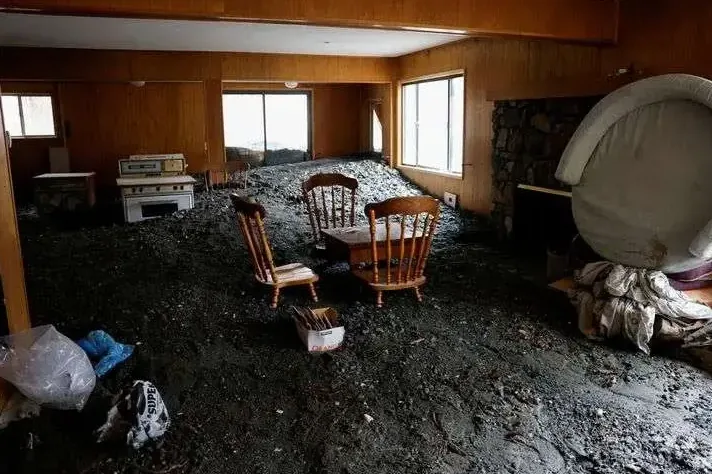
First steps for storm runoff and flash flood cleanup in Calabasas
Make the area safe
Power, slippery footing and hidden debris are checked before anyone wades into wet rooms.
Pump and shovel out
Pumps clear standing water, then silt and mud are shoveled and vacuumed off hard floors.
Clean and sanitize
Floors, lower walls and contents touched by runoff are washed and treated because the water was dirty.
Dry and verify
Dehumidifiers and air movers run until meter readings reach the dry standard.
How storm runoff and flash flood cleanup gets handled
Report the water
Depth, rooms touched and the source, whether rain or a broken main, set the size of the crew.
Stabilize the site
Entry points are cleared, pumps are placed and contents are lifted out of the wet zone.
Clean what water touched
Silt is removed, surfaces are washed and porous materials that cannot be cleaned are taken out.
Dry and report
Readings, photos and a list of removed materials are written up for the owner.
What does storm runoff and flash flood cleanup cost in Calabasas, CA?
Storm cleanup runs from $4,000 to $7,000 for one room or a garage, up to $15,000 to $30,000+ for a whole floor with silt. Mud, dirty water and the number of rooms push a job toward the higher bands.
Ranges are typical, not a quote: the water category, the square footage, the material class and how fast drying started move the number most. Run the water damage cost calculator for a closer planning range.
Map, extract, dry, verify
- 1
Map
Pinless meters and a thermal camera show where the water went before anything is moved.
- 2
Extract
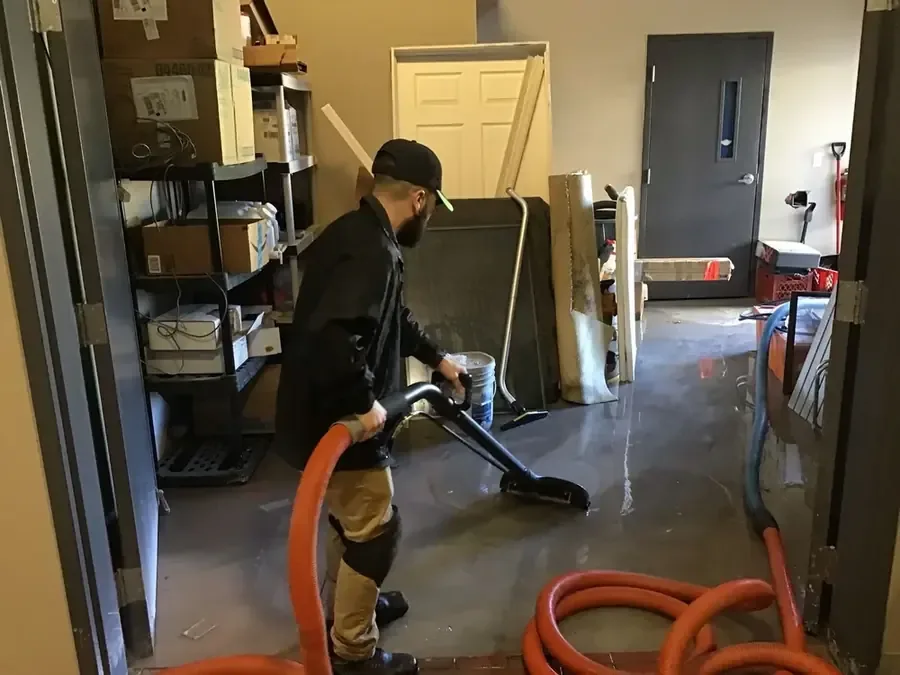
Truck-mounted units pull the free water first, because extraction removes far more than evaporation.
- 3
Dry
Air movers and LGR dehumidifiers run at the load each room needs, logged once a day.
- 4
Verify
The drying phase ends when materials read within 2 to 4 points of a dry reference.
What storm water leaves behind
Heavy rain in the foothills can reach a house from several directions at once. A storm on February 2, 2019 passed 1 inch of rain per hour at its peak and brought a flash flood warning to Southern California, a reminder of how quickly a dry yard can turn into runoff.
- Silt and mud on slabs, tile and carpet
- Debris carried in through doors, vents and garage openings
- Dirty water soaked into baseboards and the bottoms of drywall
- Damp insulation and cabinet bases that hold moisture
Local context
Las Virgenes Creek has a flood profile in the Los Angeles County Flood Insurance Study, and on September 13, 2026 a water main break closed Las Virgenes Road in both directions between Mulholland Highway and Lost Hills Road for several hours. Whatever the source, water that crossed soil or pavement is treated as dirty.
Cleanup order
Safety comes first, so power to wet outlets, slippery floors and contaminated water are checked before work begins. Pumps then clear depth, silt is shoveled and vacuumed, and surfaces are sanitized. Water extraction covers the pump out, and structural drying takes over once the mud is gone.
Photos taken before cleanup document the loss.
Background from public agencies: Ready.gov flood safety and FloodSmart, the National Flood Insurance Program.
Equipment stays until the readings say dry. The drying time estimator gives a planning range for the rooms involved.
Storm runoff and flash flood cleanup across Calabasas and nearby
Storm cleanup covers ZIP codes 91302 and 91372, including communities off Valley Circle Boulevard and Mulholland Highway such as Mulholland Heights, Mulwood and Las Villas, and those off Las Virgenes Road like Mountain View Estates and El Encanto.
The same service nearby: storm runoff and flash flood cleanup in Chatsworth.
Related water damage services in Calabasas
Storm Runoff and Flash Flood Cleanup: questions and answers
Is flood water from outside considered dirty?
Yes. Water that crossed soil, pavement or a yard picks up bacteria and debris, so it is handled as contaminated. Porous items it soaked, like carpet pad, are usually removed instead of dried.
How fast can a storm turn into a cleanup job?
Quickly. On February 2, 2019 a heavy Southern California storm passed 1 inch of rain per hour at its peak and triggered a flash flood warning. Water that gets inside needs removal before it soaks lower walls.
Who deals with a water main break outside the house?
LVMWD supplies drinking water here, so a break in the street is a matter for the water district. Cleanup inside the house, from standing water to wet floors, is a separate restoration job.
Can silt stay under flooring?
It can. Fine silt works under laminate, tile edges and carpet tack strips, so floors are lifted where readings or inspection show trapped mud.
How is a storm cleanup priced?
Rooms, depth, silt and water type set the price. The cost calculator gives a first estimate to compare with the price cards.
Clear the mud and dirty water
The rooms affected and how the water got in are enough to start. Crews bring pumps, meters and cleaning supplies.