Water Extraction in Calabasas After a Leak or Storm
Pooled water soaks into subfloors, drywall and baseboards quickly. In Calabasas, a wet winter or a failed supply pipe can leave a room under water, and crews pump it out and extract what the floor still holds before drying begins.
(888) 578-6508Call about standing water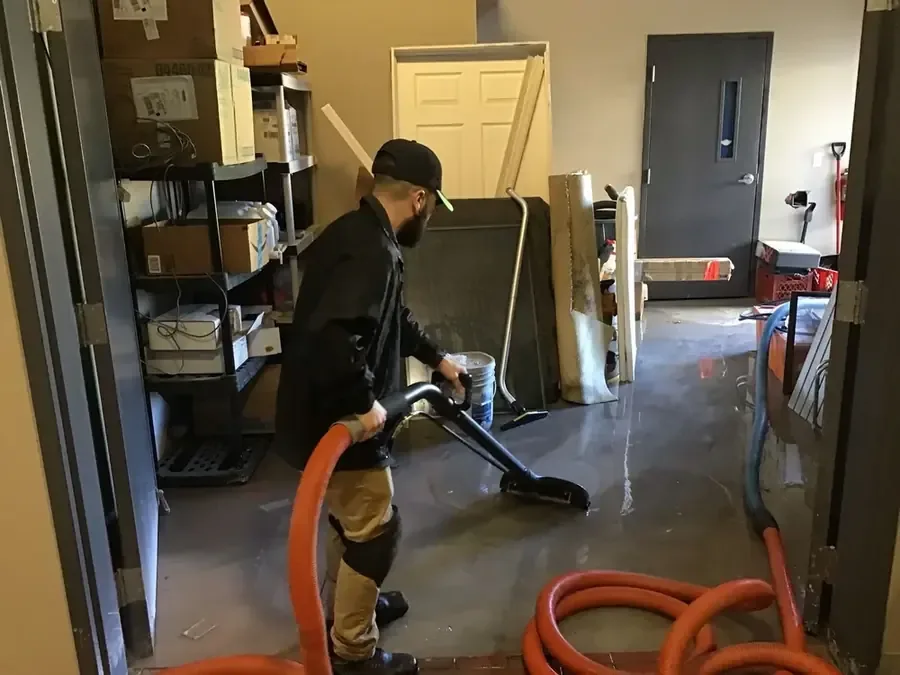
First steps for water extraction and removal in Calabasas
Find and stop the source
The crew confirms the supply valve is closed or the storm entry is blocked before any pumping starts.
Remove the standing water
Submersible pumps handle depth, then extraction wands pull water out of carpet, pad and floor seams.
Check what stayed wet
Meters and a thermal camera map moisture in baseboards, wall bottoms and the subfloor.
Hand off to drying
Air movers and dehumidifiers go in once surface water is gone and the wet areas are known.
How water extraction and removal gets handled
Describe the water
Depth, number of rooms and whether the water was clean, dirty or from a drain all shape the crew's plan.
Source control and safety
Power to wet outlets is checked, valves are closed and any sewage is noted before the floor is touched.
Extraction pass
Pumps clear the depth, then wands work across carpet and hard floors until water stops coming up.
Readings and report
Final meter readings are written down so the drying plan and any claim rest on numbers.
What does water extraction and removal cost in Calabasas, CA?
Water extraction prices fall into three bands, from $1,200 to $3,500 for one or two rooms up to $8,000 to $20,000+ for a whole floor. Depth, floor area, water type and how long the water sat decide which band applies.
Ranges are typical, not a quote: the water category, the square footage, the material class and how fast drying started move the number most. Run the water damage cost calculator for a closer planning range.
Map, extract, dry, verify
- 1
Map
Pinless meters and a thermal camera show where the water went before anything is moved.
- 2
Extract
Truck-mounted units pull the free water first, because extraction removes far more than evaporation.
- 3
Dry
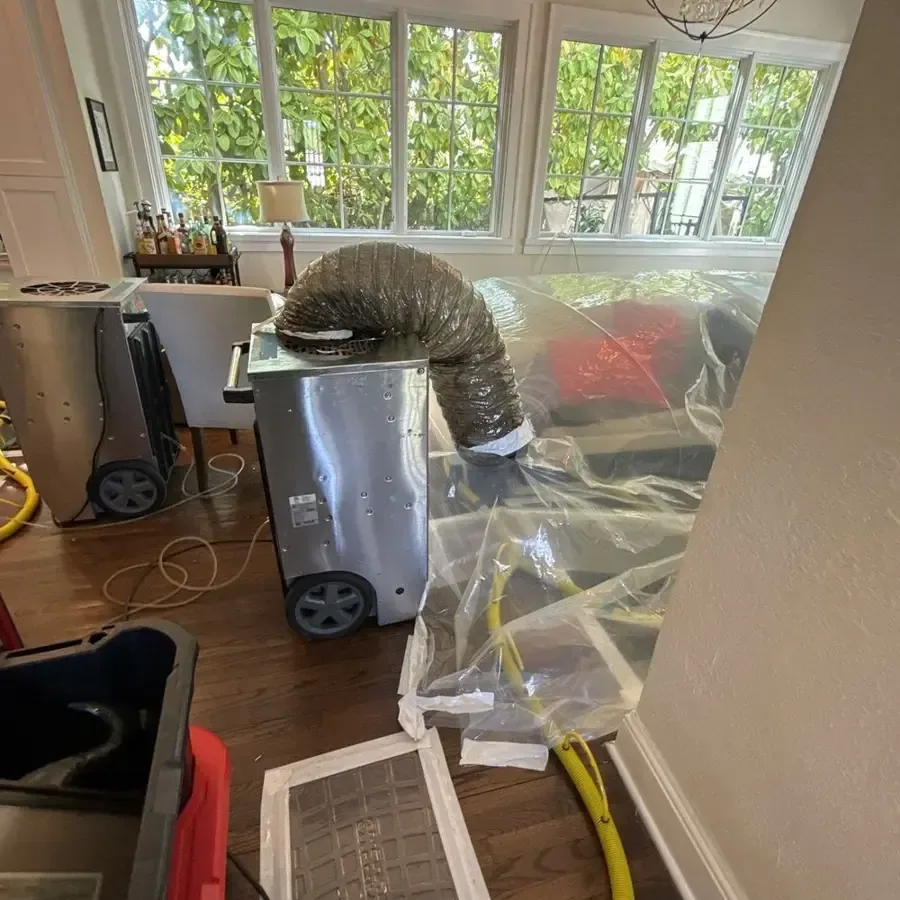
Air movers and LGR dehumidifiers run at the load each room needs, logged once a day.
- 4
Verify
The drying phase ends when materials read within 2 to 4 points of a dry reference.
What extraction removes
Extraction is the first physical job once the source of the water has been shut off. Calabasas averages 17.77 inches of rain a year and February is the wettest month at 4.65 inches, so storm water at a door or a supply pipe that gives out in winter can leave a floor submerged.
- Standing water on tile, wood, laminate and concrete floors
- Water held inside carpet and the cushion pad beneath it
- Puddles trapped in closets, hallways and low corners
- Residual water pulled from floor seams and baseboard gaps
Why timing matters in the wet months
Water does not stay where it lands. It wicks up drywall, drops through floor seams and loosens adhesive under flooring. After a winter downpour, crews usually begin in the lowest rooms and work outward, so the wettest spots stop feeding the rest of the house.
After the water is out
Removal is not the end of the job. Moisture meters and a thermal camera show where water traveled after the pump shut off, which decides whether walls and subfloor need structural drying next. A broken pipe behind a wall may call for the steps on the burst pipe page too.
Cost follows the number of wet rooms and the type of water, as the price cards below show.
Background from public agencies: Ready.gov flood safety and EPA indoor air quality.
Equipment stays until the readings say dry. The drying time estimator gives a planning range for the rooms involved.
Water extraction and removal across Calabasas and nearby
Extraction crews cover homes across ZIP codes 91302 and 91372, from Park Moderne to the communities off Las Virgenes Road, Valley Circle Boulevard and Mulholland Highway, plus condo buildings, shops and offices along Agoura Road wherever pooled water needs to come out.
The same service nearby: water extraction and removal in Chatsworth.
Related water damage services in Calabasas
Water Extraction and Removal: questions and answers
How is water extraction different from drying?
Extraction removes liquid water with pumps and wands. Drying pulls the moisture left in wood, drywall and concrete out with air movers and dehumidifiers. Most jobs need both, in that order.
Does a wet winter change how fast extraction is needed?
Heavy rain can push water through doors and low vents while soil and slabs are already damp. Pooled water comes out more easily before it soaks into baseboards and flooring.
Can carpet be saved after extraction?
Clean water caught early often lets carpet be extracted and dried in place. The cushion pad is usually replaced, and gray or sewage water means the carpet itself comes out.
What does extraction cost?
Rooms, depth and water type set the price. The cost calculator gives a starting figure, and the three price cards show the bands.
What is checked before pumping starts?
Power to wet outlets, the shutoff valve and the type of water come first. Dirty or sewage water changes the gear used and how carefully the floor is handled.
Get the water out before it spreads
Depth, rooms and source are all a caller needs to share. Crews then plan the pumps, wands and meters.